HVAC Inspection Camera Guide | Borescope for Air Duct & Vent Inspection
- Share
- Issue Time
- Apr 3,2026
Summary
Learn how an HVAC inspection camera helps technicians inspect air ducts, vents, and HVAC systems without dismantling. Discover professional HVAC borescope solutions.
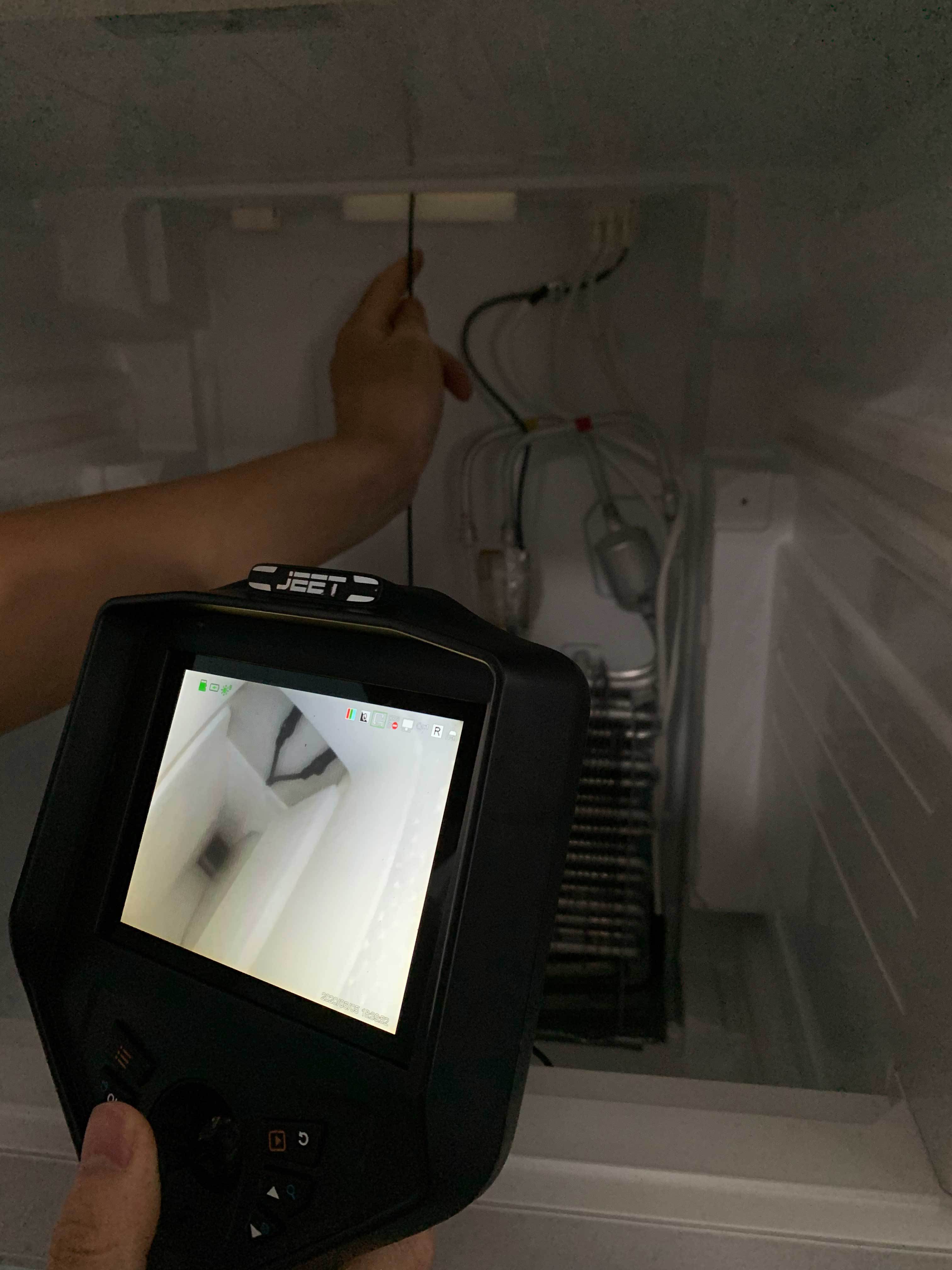
HVAC systems are essential for maintaining air quality and temperature control in residential, commercial, and industrial buildings. However, inspecting internal ducts, vents, and air handling systems can be extremely difficult without specialized equipment. A professional HVAC inspection borescope allows technicians to visually inspect hidden areas inside ventilation systems without dismantling ductwork.
By using an advanced HVAC inspection camera, maintenance professionals can detect blockages, dust buildup, structural damage, or mold contamination inside ducts—helping improve system performance and indoor air quality.
Why HVAC Technicians Use Inspection Borescopes
✔ Inspect Hidden Duct Areas
Ventilation ducts are often sealed within ceilings and walls. A borescope allows technicians to inspect these hidden spaces without damaging structures.
✔ Improve Indoor Air Quality
Dust accumulation, debris, or mold growth inside HVAC ducts can negatively affect air quality. Visual inspections help identify contamination early.
✔ Diagnose Airflow Problems
Blockages or damaged ducts can reduce airflow efficiency. An inspection camera quickly locates the issue.
✔ Reduce Maintenance Time
Technicians can identify problems quickly and perform targeted repairs instead of dismantling large sections of ductwork.
Common HVAC Inspection Applications
- Air Duct Inspection – Identify dust buildup, debris, or structural damage.
- Ventilation System Diagnostics – Inspect airflow pathways and detect obstructions.
- Mold Detection – Locate mold growth inside ventilation systems.
- Heat Exchanger Inspection – Check for cracks or corrosion.
- Air Handling Unit Inspection – Examine internal components without disassembly.
Key Features of an HVAC Inspection Camera
1. Flexible Insertion Tube
HVAC ducts often contain bends and narrow spaces. A flexible probe allows technicians to navigate complex duct systems.
2. Compact Camera Diameter
Small-diameter probes make it easier to access narrow ducts and ventilation openings.
3. High-Resolution Imaging
Clear imaging is essential for identifying dust accumulation, corrosion, or mold.
4. Bright LED Lighting
Adjustable LED lights illuminate dark duct interiors for better visibility.
5. Durable Industrial Design
HVAC inspection environments may contain dust and debris, requiring robust equipment.
Why Flexible Borescopes Are Ideal for HVAC Inspection
Traditional inspection methods often require dismantling ductwork or cutting inspection holes. A flexible video borescope allows technicians to inspect internal HVAC components quickly while minimizing system disruption.
This makes borescopes a valuable tool for preventive maintenance, building inspections, and HVAC system diagnostics.
Improve HVAC Maintenance Efficiency
Professional HVAC inspection cameras enable technicians to maintain systems more efficiently while improving building air quality.
- ✔ Quickly locate duct blockages
- ✔ Detect mold or contamination
- ✔ Reduce inspection time
- ✔ Improve system performance
Professional HVAC Inspection Borescope Solutions
We manufacture industrial borescopes designed for demanding inspection environments including HVAC maintenance.
✔ Ultra-Thin Inspection Probes
✔ Flexible Articulating Cameras
✔ OEM & ODM Manufacturing
FAQ
What is an HVAC inspection camera?
An HVAC inspection camera is a specialized tool used to visually inspect ventilation ducts, air systems, and internal HVAC components.
Can a borescope inspect air ducts?
Yes. Flexible borescopes are widely used to inspect air ducts and ventilation systems without dismantling them.
Why is HVAC duct inspection important?
Regular inspections help detect dust buildup, mold, and structural damage, improving air quality and system efficiency.