Best Videoscope Buying Guide: How to Choose the Right Videoscope
- Share
- Issue Time
- Jan 8,2026
Summary
Learn how to choose the best videoscope for industrial inspection. This buying guide covers probe size, camera quality, articulation, durability, and key features to consider before purchasing.
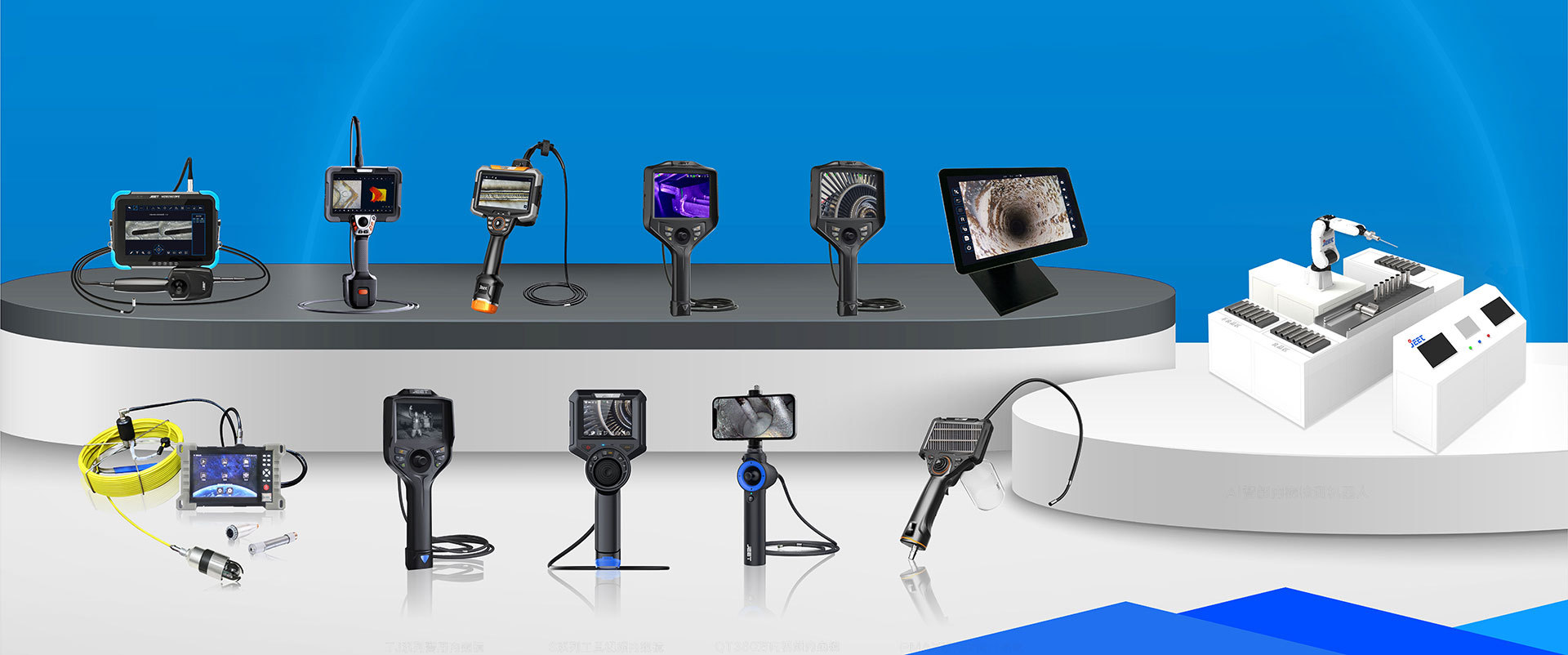
Choosing the right videoscope is critical for achieving accurate inspections, minimizing downtime, and improving maintenance efficiency. With many options available on the market, understanding key technical specifications and application requirements will help you select the most suitable videoscope for your industry. This buying guide explains what to look for before purchasing a videoscope and how to avoid common mistakes.
1. Define Your Inspection Application
The first step in choosing a videoscope is understanding where and how it will be used. Different inspection environments require different probe designs and imaging capabilities.
- Automotive engine and cylinder inspection
- Aerospace turbine and blade inspection
- Industrial pipeline and heat exchanger inspection
- Manufacturing quality control
- Public safety and law enforcement inspection
2. Probe Diameter and Length
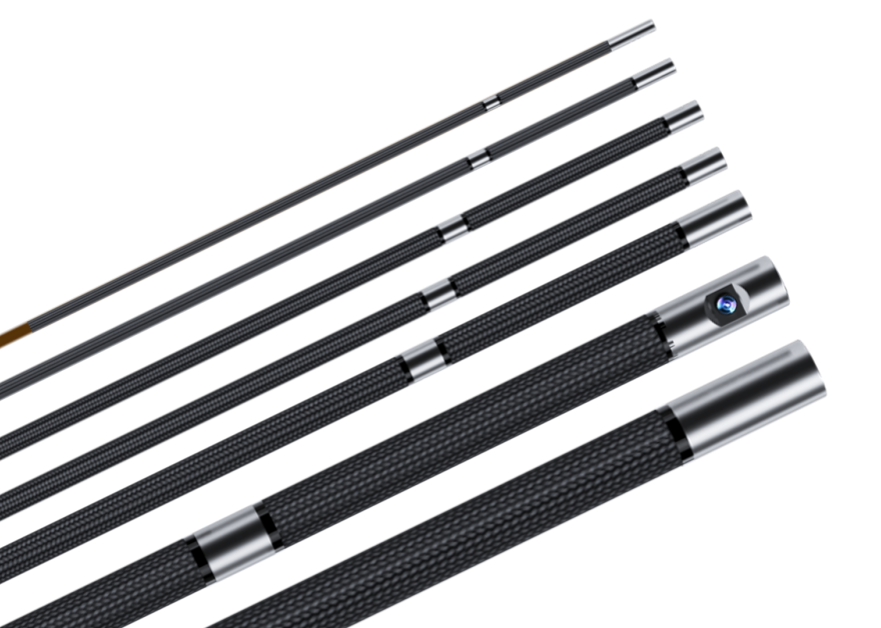
Probe size determines whether the videoscope can access confined spaces. Smaller diameters provide better access but may limit brightness and durability.
- Small diameter (≤3.9 mm): Ideal for precision and narrow channels.
- Medium diameter (4–6 mm): Balanced option for most industrial inspections.
- Large diameter (≥6 mm): Suitable for harsh environments and long-distance inspections.
- Choose probe length based on inspection depth and pipe complexity.
3. Image Resolution and Camera Quality
Image clarity directly affects defect detection accuracy. A high-quality videoscope camera improves visibility of cracks, corrosion, and surface defects.
- Standard definition for basic inspections
- HD or Full HD for professional and industrial use
- Adjustable LED illumination for dark environments
- Wide field of view for faster inspection
4. Articulation and Maneuverability
Articulation allows the probe tip to bend and navigate complex internal structures. This is especially important in engines, turbines, and curved pipelines.
- 2-way articulation: Basic up/down movement
- 4-way articulation: Full directional control
- Electronic articulation for precise positioning
- Mechanical articulation for durability
5. Recording, Measurement, and Software Features
Advanced videoscopes support image capture, video recording, and dimensional measurement, which are essential for reporting and quality assurance.
- Photo and video recording
- 2D or 3D measurement capability
- On-screen annotation
- Data export via USB, SD card, or wireless connection
6. Durability and Environmental Resistance
Industrial videoscopes must withstand oil, dust, vibration, and temperature variations. Durability is a key factor for long-term reliability.
- Waterproof and oil-resistant probe
- Shock-resistant housing
- High-temperature tolerance
- Protective probe coating
7. Videoscope vs Borescope: Which Should You Buy?
If your inspection requires documentation, advanced imaging, and measurement, a videoscope is the better choice. A traditional borescope may still be suitable for simple visual checks where budget is limited.
Final Buying Tips
The best videoscope is one that matches your inspection environment, technical requirements, and budget. By carefully evaluating probe size, image quality, articulation, and software features, you can invest in a videoscope that delivers long-term value and inspection accuracy.