How Does a Videoscope Work? Complete Technical Guide
- Share
- Issue Time
- Dec 11,2025
Summary
Learn how a videoscope works, including its camera, illumination, articulation, and image processing systems. A full technical explanation for inspectors and technicians.
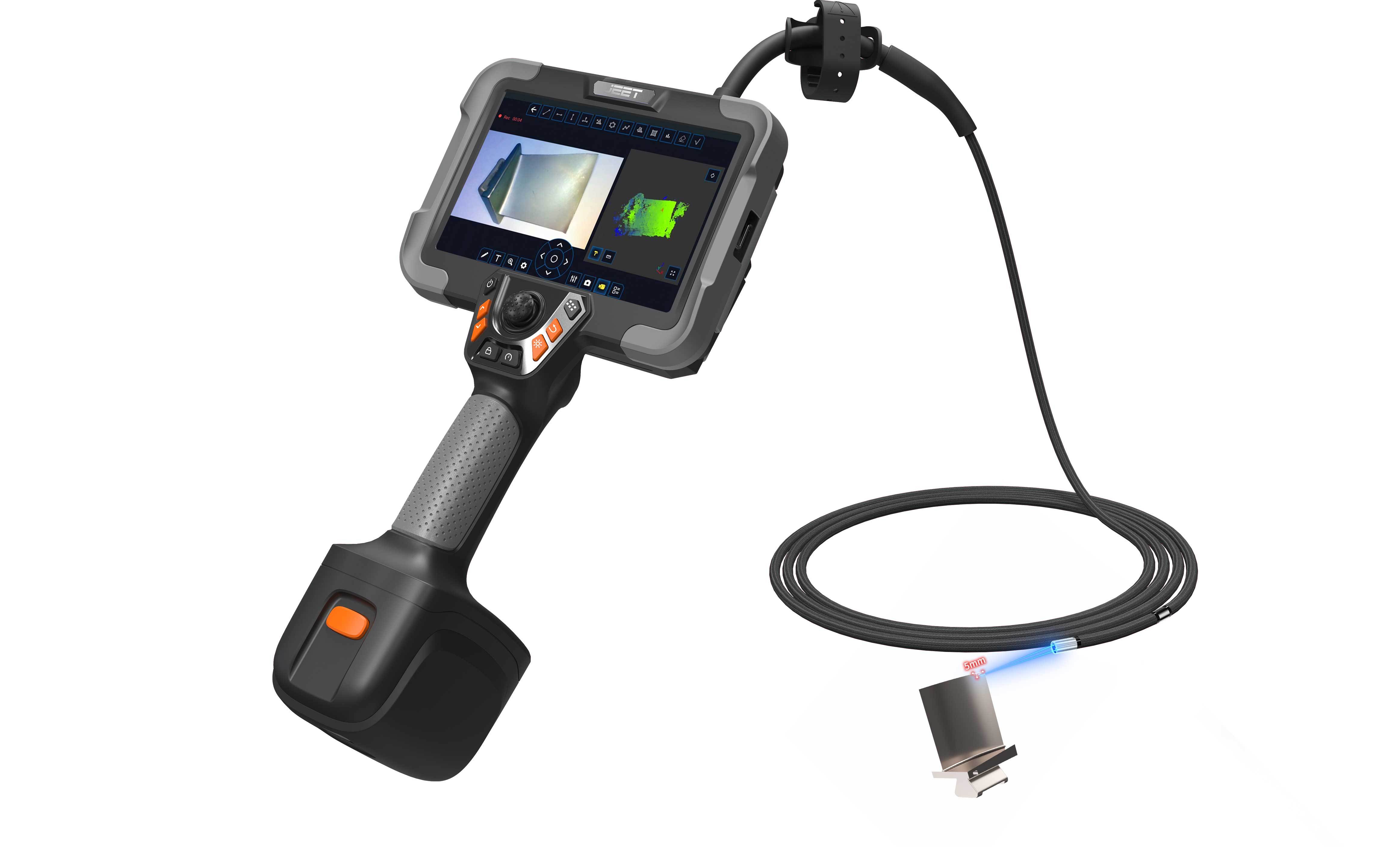
How Does a Videoscope Work? A Complete Technical Explanation
A videoscope is an advanced visual inspection device designed to capture images and videos inside narrow, dark, or inaccessible areas. Compared with a traditional borescope, a videoscope uses digital imaging technology, a miniature camera, and an LCD display to deliver real-time, high-resolution visuals. Understanding how a videoscope works helps users choose the right model and operate it more effectively.
Core Components of a Videoscope
A typical videoscope consists of several key components that work together to deliver clear and accurate visual inspection results:
- Insertion Tube: A flexible or semi-rigid probe that enters the inspection area.
- Camera Module: A tiny CMOS or CCD sensor located at the tip of the tube.
- LED Illumination: Built-in adjustable lights that improve visibility.
- Control Unit: Includes buttons for articulation, brightness, recording, and zoom.
- Display Screen: Shows the live video feed in real time.
How the Camera Captures the Image
When a videoscope camera is inserted into an inspection area, the miniature image sensor at the tip captures visuals. The process works as follows:
- The LED lights illuminate the inspection environment.
- The camera lens focuses light onto the digital image sensor.
- The sensor converts light into electronic signals.
- The signals are processed and transferred to the control unit.
- The final image appears on the display as live video.
How Probe Articulation Works
Many professional videoscopes feature articulation — the ability for the probe tip to bend up, down, left, or right. This mechanism allows inspectors to reach around obstacles and observe target areas from multiple angles.
Articulation is usually controlled by mechanical cables or an electronic motor inside the insertion tube. When the operator presses a button or joystick, the articulation system adjusts the probe’s direction smoothly.
- 2-way articulation: Up and down movement.
- 4-way articulation: Up, down, left, right — best for industrial inspections.
Image Processing and Digital Enhancements
Modern videoscopes include advanced image-processing technology to ensure accurate and clear visuals, even in challenging environments. Common features include:
- Digital Zoom
- Noise Reduction
- Dynamic Exposure Adjustment
- Color Enhancement
- 3D Measurement (advanced models)
Real-Time Recording and Data Storage
A key advantage of videoscopes over traditional borescopes is their ability to record photos and videos. Most models include built-in memory or support SD cards for easy data export. Recorded images can be used for reporting, quality control, and maintenance documentation.
Typical Workflow of Using a Videoscope
The operation process for a videoscope is straightforward:
- Power on the device and adjust LED brightness.
- Insert the probe into the inspection location.
- Use articulation to navigate toward the target area.
- Observe and adjust image settings for clarity.
- Capture photos or videos as needed.
- Export the data for reporting or analysis.
Where Videoscopes Are Commonly Used
Videoscopes are essential tools in many industries that require non-destructive visual inspection:
- Automotive engine and cylinder inspection
- Aerospace turbine and blade maintenance
- Manufacturing quality control
- Power plants and industrial machinery inspection
- Pipeline and HVAC diagnostics
Final Thoughts
A videoscope combines optics, illumination, imaging, and articulation into a compact inspection tool that enables precise and efficient diagnostics. Understanding how a videoscope works helps users operate the device more effectively and select the right model for their inspection needs.