What Is a Videoscope? Definition, Uses & Buying Tips
- Share
- Issue Time
- Dec 6,2025
Summary
Learn what a videoscope is, how it works, common applications, and key buying tips. A complete guide to videoscope, borescope, and inspection cameras.
What Is a Videoscope? Definition, Uses & Buying Tips
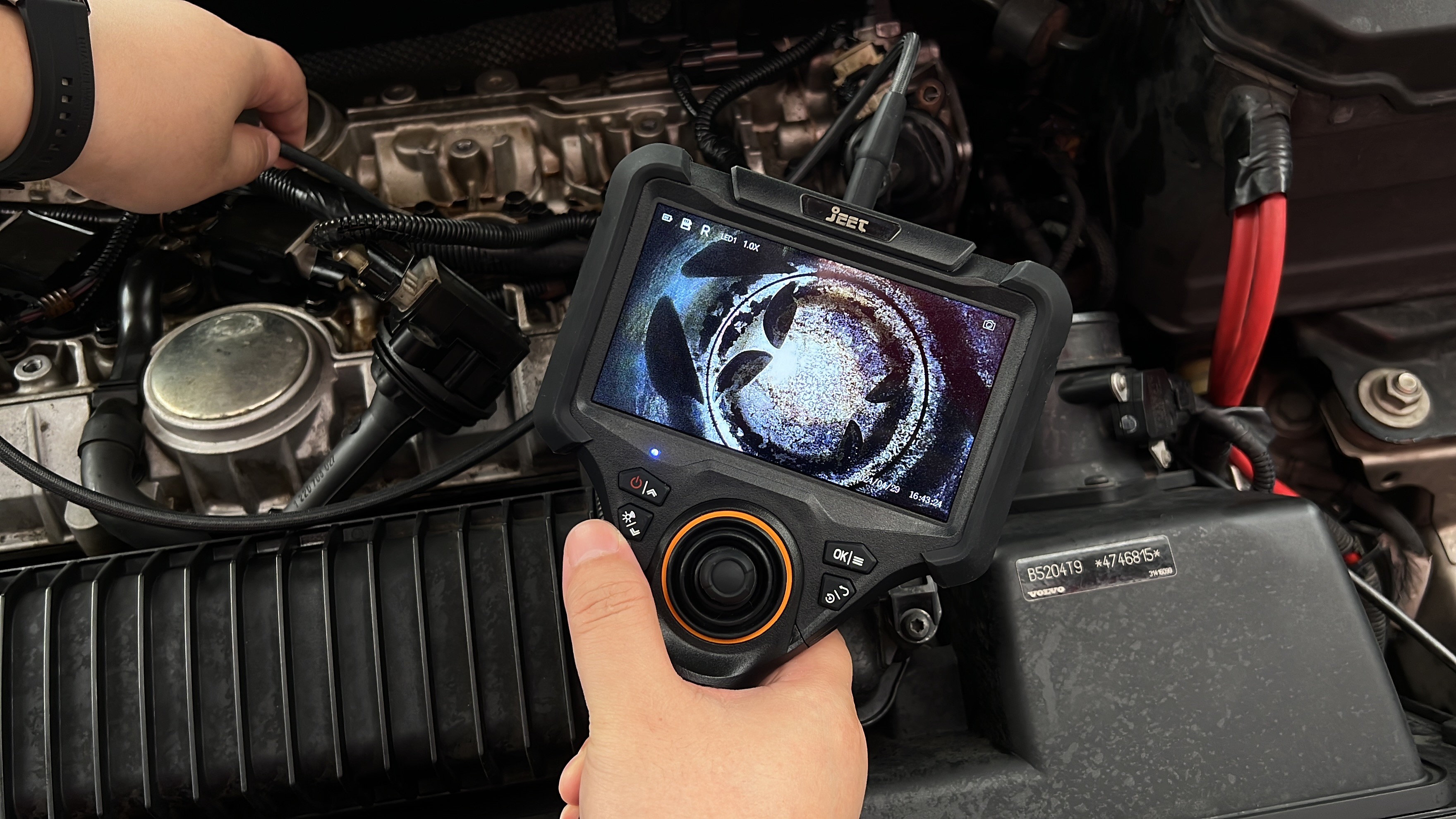
A videoscope is a professional visual inspection device used to observe hard-to-reach or enclosed areas through a flexible or rigid probe with a built-in camera. It is widely applied in industrial maintenance, automotive inspection, manufacturing quality control, and infrastructure diagnostics.
What Is a Videoscope?
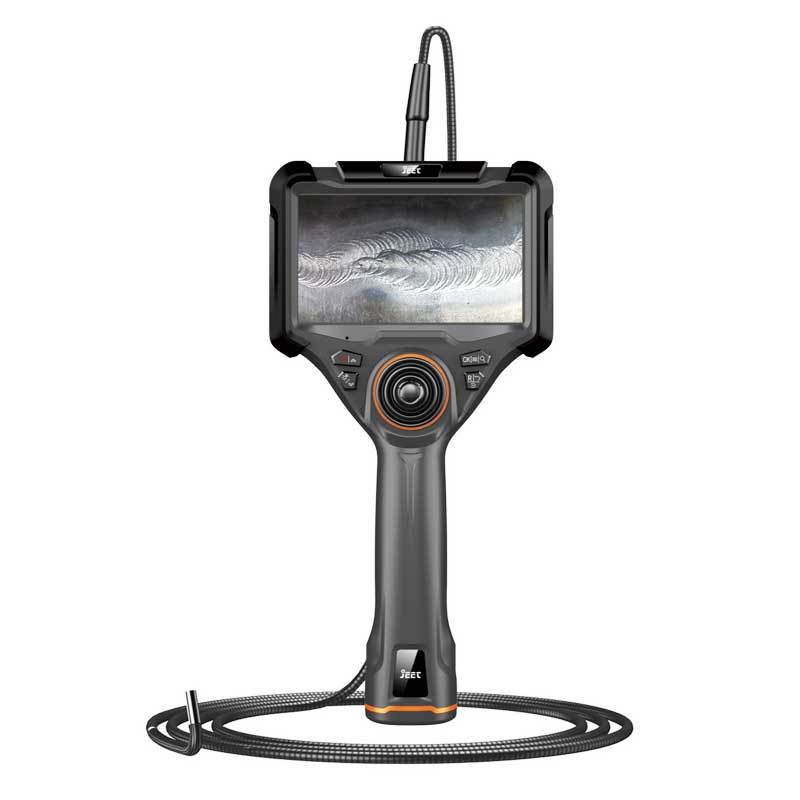
A videoscope is an advanced type of inspection camera that transmits real-time video through a small-diameter probe. Compared with traditional optical scopes, a videoscope uses a digital camera sensor and LCD screen to display high-resolution images. It is often considered an upgraded form of a borescope with enhanced imaging and recording functions.
How Does a Videoscope Work?
A standard videoscope consists of three main components: a flexible or rigid insertion tube, a miniature camera with LED illumination at the tip, and a control unit with a display screen. When the probe enters the inspection area, the camera captures real-time images, which are transmitted to the screen for observation and recording.
Videoscope vs Borescope: What’s the Difference?
Although the terms videoscope and borescope are often used interchangeably, they are not exactly the same. A traditional borescope usually relies on optical fiber transmission, while a videoscope uses a digital imaging system. Videoscopes generally provide better image clarity, recording capability, and advanced features such as articulation and measurement.
Common Applications of a Videoscope
- Automotive engine and cylinder inspection
- Industrial equipment maintenance
- Aerospace and turbine inspection
- Pipeline and HVAC system diagnostics
- Manufacturing quality control
Key Features to Look for in a Videoscope Camera
- High-definition image resolution
- Articulating probe for better maneuverability
- Adjustable LED illumination
- Flexible or rigid insertion tube options
- Image capture and video recording functions
How to Choose the Right Videoscope for Your Needs
When selecting a videoscope camera, you should consider the working environment, required probe diameter, inspection distance, and image resolution. For industrial tasks, durability and articulation capabilities are critical, while for automotive or maintenance use, portability and ease of operation may be more important.
Is a Videoscope Worth the Investment?
For professionals involved in inspection, maintenance, or diagnostics, a videoscope can significantly improve efficiency and accuracy. It reduces disassembly work, shortens downtime, and provides visual evidence for reporting and quality control.
Final Thoughts
A videoscope is an essential inspection tool across many industries. Whether you need to inspect machinery, pipelines, or engines, understanding how a videoscope works and how to choose the right model can help you achieve safer, faster, and more accurate inspections.